In the hyper-digital landscape of 2026, the “quick connect” has become the standard. We send a LinkedIn invite, drop a two-line DM, or fire off a Slack message without a second thought. However, as digital noise reaches a fever pitch, a paradoxical trend has emerged in the American workforce: The return of the high-stakes professional letter.
When every recruiter’s inbox is a graveyard of “Checking in!” emails, a structured, formal letter—whether sent as a polished PDF attachment or physical mail—signals a level of intentionality that a social media ping simply cannot match. From C-suite negotiations to formal grievances, the ability to articulate complex thoughts through a formal lens is becoming a rare, high-value “power skill.”
The Psychology of Formality in a Casual World
Why does a formal letter carry more weight than a digital nudge? According to recent workplace communication studies, the human brain processes formal structures with a higher degree of “authority bias.” A letter requires a specific cadence: a formal salutation, a structured body, and a professional sign-off. This structure forces the writer to be concise and the reader to be attentive.
In high-stakes scenarios—such as requesting a salary adjustment, pitching a partnership to a legacy firm, or addressing a legal dispute—your words need to do more than just convey information; they need to command respect. For those who find the blank page intimidating or lack the time to master the nuances of American corporate etiquette, seeking out professional letter writing services has become a strategic move for modern professionals. These experts ensure that the tone hits the “Goldilocks zone”: authoritative but not arrogant, and persuasive but not pushy.
When “Good Enough” Isn’t Enough: High-Stakes Scenarios
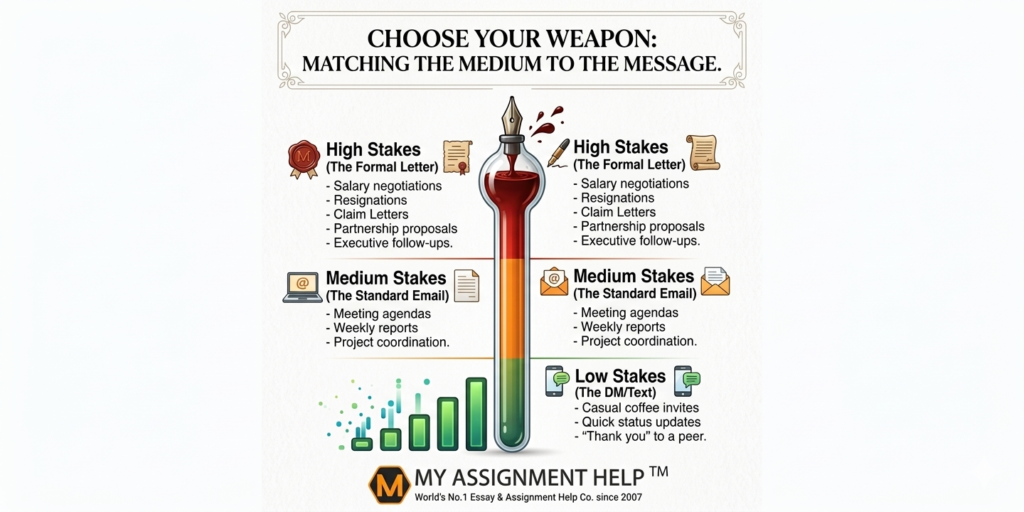
Not every interaction requires a formal letter, but knowing when to escalate from a chat bubble to a formal document is key to career longevity.
- The Executive Summary/Cover Letter: In 2026, AI-filtered resumes are the norm. A bespoke letter of intent that addresses a company’s specific pain points can bypass the “bot” feel of standard applications.
- Letters of Resignation: In the US, “burning bridges” is a cardinal career sin. A formal, gracious resignation letter preserves your professional network.
- Formal Claims and Disputes: Whether you are dealing with a vendor breach or a service failure, a verbal complaint rarely holds water in a corporate audit. Learning how to write a claim letter is essential for creating a paper trail that demands a resolution.
- The “Follow-up” after a High-Value Meeting: Following a pitch to a Venture Capitalist or a Board of Directors, a formal letter summarizing the “Value Prop” reinforces your professionalism.
Data-Driven Insights: The Impact of Professional Correspondence
According to a 2025 survey by the American Management Association, 68% of hiring managers noted that candidates who provided a formal follow-up letter were 40% more likely to be remembered during final deliberations. Furthermore, a study on “Communication Friction” found that formal documents reduce the likelihood of “misinterpretation” by nearly 30% compared to casual email threads.
| Communication Type | Retention Rate | Perceived Authority |
| LinkedIn DM | Low (15%) | Casual |
| Standard Email | Medium (45%) | Standard |
| Formal Letter (PDF/Mail) | High (82%) | High/Authoritative |
Strategies for the Modern American Professional
To craft a letter that actually gets read, follow these three “Golden Rules”:
- The “Three-Second” Opening: Start with the Why. American business culture values time. If the recipient doesn’t know the purpose of the letter by the second sentence, you’ve lost them.
- The Power of White Space: Dense blocks of text are the enemy. Use bullet points for data and keep paragraphs to no more than four sentences.
- The Clear Call to Action (CTA): End with exactly what you want. “I look forward to your response” is weak. “I am available for a 10-minute call this Thursday at 2 PM EST to discuss the next steps” is professional.
Key Takeaways
- Intentionality Wins: Formal letters stand out because they require more effort than a digital “ping.”
- Legal & Professional Security: Formal letters (like claim letters) create a documented trail necessary for US business compliance.
- Authority Bias: Using professional structures increases your perceived expertise in the eyes of C-suite executives.
- Outsourcing is Strategic: Using expert services to draft high-stakes letters ensures your grammar and “American Corporate Tone” are flawless.
FAQ Section
Q: Is a physical letter still relevant in 2026?
A: Absolutely. While digital PDFs are the standard, a physical, “FedExed” letter is often used for high-stakes legal notices, luxury brand partnerships, or final-stage executive negotiations to ensure it reaches the recipient’s desk directly.
Q: How long should a professional letter be?
A: Ideally, one page. In the US, brevity is a sign of respect for the recipient’s time. If you need more space, use an addendum or a separate “White Paper” attachment.
Q: Can I use AI to write my professional letters?
A: AI is a great starting point for outlines, but “out-of-the-box” AI text often sounds robotic or overly flowery. For high-stakes scenarios, human editing is required to add nuance, cultural context, and specific “brand voice.”
Author Bio
Sarah Miller is a Senior Communications Strategist at MyAssignmentHelp. With over a decade of experience in American corporate linguistics and academic writing, Sarah specializes in helping students and professionals bridge the gap between “casual digital speak” and “authoritative professional prose.” When she isn’t auditing content, she conducts workshops on the evolution of business etiquette in the age of AI.
References:
- American Management Association (AMA) – 2025 Workplace Trends Report.
- Harvard Business Review – The Science of Persuasive Writing (Updated 2025).
- Society for Human Resource Management (SHRM) – Communication Competency in Modern Hiring.